
Understanding Dairy Production: A Comprehensive Guide
- Let's Dairy

- May 2
- 4 min read
Dairy production is a vital part of the agricultural sector, providing essential nutrients and food products to millions of people worldwide. From milk and cheese to yogurt and butter, dairy products are staples in many diets. However, the process of dairy production is complex and involves various stages, from farm to table. In this comprehensive guide, we will explore the intricacies of dairy production, the technologies involved, and the challenges faced by dairy farmers today.
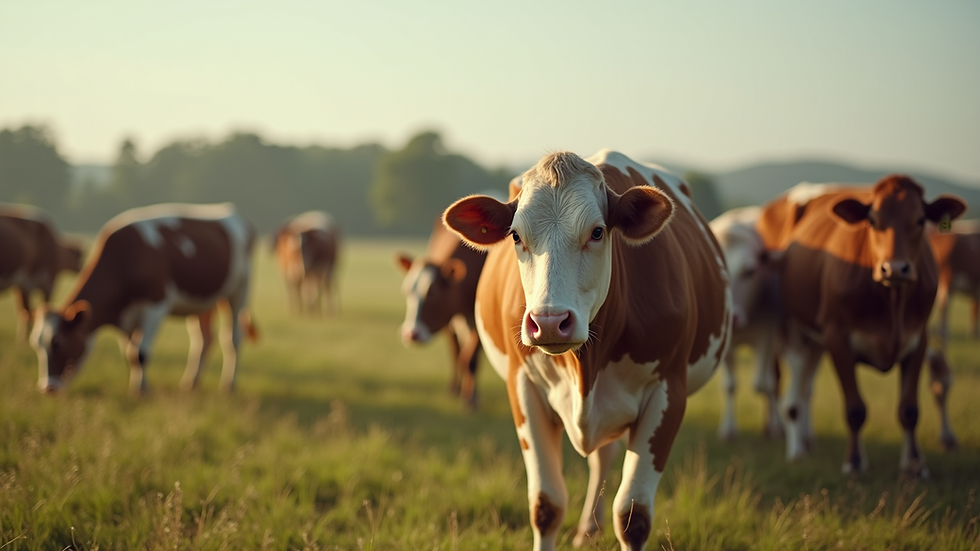
The Dairy Farming Process
1. Breeding and Raising Dairy Cows
The foundation of any successful dairy operation begins with the selection of the right breed of cows. Common dairy breeds include Holstein, Jersey, and Guernsey, each known for specific milk production qualities.
Holstein: Recognized for their black and white markings, Holsteins are the most common dairy breed, known for high milk yield.
Jersey: Smaller in size, Jerseys produce milk with a higher butterfat content, making it ideal for cheese and butter production.
Guernsey: Known for their rich, golden milk, Guernseys are valued for their flavor and nutritional content.
Once the breed is selected, farmers focus on proper nutrition, health care, and living conditions to ensure optimal growth and milk production.
2. Milking Process
The milking process is a critical stage in dairy production. It typically involves the following steps:
Preparation: Cows are cleaned and prepped for milking to ensure hygiene.
Milking: This can be done manually or using automated milking machines. Automated systems have become increasingly popular, allowing for more efficient milking and better monitoring of cow health.
Storage: Milk is immediately cooled and stored in refrigerated tanks to maintain freshness and prevent spoilage.
3. Processing Milk
After milking, the raw milk undergoes several processing steps to ensure it is safe for consumption:
Pasteurization: This process involves heating the milk to kill harmful bacteria without affecting its nutritional value.
Homogenization: This step breaks down fat molecules to prevent cream from separating, resulting in a consistent texture.
Packaging: Finally, the milk is packaged in various forms, including cartons, bottles, and pouches, ready for distribution.
The Role of Technology in Dairy Production
1. Automation and Robotics
Modern dairy farms are increasingly adopting automation and robotics to improve efficiency. Automated milking systems allow cows to be milked on their schedule, reducing stress and improving milk yield. Additionally, robotic feeders can ensure cows receive the right amount of feed, optimizing their nutrition.
2. Data Management
Farmers are utilizing data management systems to track cow health, milk production, and feed efficiency. These systems provide valuable insights that help farmers make informed decisions, ultimately leading to better productivity and profitability.
3. Sustainable Practices
Sustainability is becoming a key focus in dairy production. Farmers are implementing practices such as rotational grazing, which helps maintain soil health and reduce environmental impact. Additionally, many are investing in renewable energy sources, such as solar panels, to power their operations.
Challenges in Dairy Production
1. Economic Pressures
Dairy farmers face significant economic pressures, including fluctuating milk prices and rising feed costs. These factors can impact profitability and sustainability, making it essential for farmers to manage their operations efficiently.
2. Animal Welfare Concerns
With increasing consumer awareness about animal welfare, dairy farmers must ensure that their practices meet ethical standards. This includes providing adequate living conditions, proper nutrition, and veterinary care for their cows.
3. Environmental Impact
Dairy production can have a considerable environmental impact, particularly in terms of greenhouse gas emissions and water usage. Farmers are working to mitigate these effects through sustainable practices, but challenges remain.
The Future of Dairy Production
As the demand for dairy products continues to grow, the industry must adapt to changing consumer preferences and technological advancements. Here are some trends shaping the future of dairy production:
1. Plant-Based Alternatives
The rise of plant-based milk alternatives, such as almond, soy, and oat milk, poses a challenge to traditional dairy producers. However, many dairy farms are exploring ways to diversify their offerings, including producing lactose-free and organic dairy products.
2. Enhanced Nutrition
Consumers are increasingly seeking dairy products that offer enhanced nutritional benefits. This includes products fortified with vitamins and minerals, as well as those with lower fat content or higher protein levels.
3. Technological Innovations
The integration of technology in dairy farming is expected to continue growing. Innovations such as precision farming, which uses data analytics to optimize production, will play a crucial role in the future of dairy production.
Conclusion
Understanding dairy production is essential for appreciating the journey of milk from farm to table. As the industry faces various challenges, including economic pressures and environmental concerns, it is crucial for farmers to adopt sustainable practices and embrace technological advancements. By doing so, they can ensure the continued success of dairy production while meeting the evolving needs of consumers.
As you consider your next dairy purchase, remember the hard work and dedication that goes into producing the milk and dairy products you enjoy. Support local dairy farmers and explore the diverse range of products available to you.


Comments